Cremation Today
Understanding Cremation: A Meaningful Choice for Honoring Life
Cremation has become an increasingly common choice for families around the world. While the decision surrounding end-of-life arrangements is deeply personal, understanding what cremation involves—and why many people choose it—can help families make informed, meaningful decisions during a difficult time.
What Is Cremation?
Cremation is a process in which the body of the deceased is respectfully reduced to ashes through intense heat. These ashes, often referred to as “cremated remains” or “cremains,” are then returned to the family. The remains can be kept, buried, scattered, or memorialized in a way that aligns with personal, cultural, or spiritual beliefs.
Unlike some common misconceptions, cremation is not a type of funeral service. Rather, it is an alternative to burial. Families may still choose to hold a funeral, memorial service, or celebration of life either before or after the cremation takes place.
Why Families Choose Cremation
There are many reasons people choose cremation, and no single reason is more valid than another. Some of the most common considerations include:
Personal beliefs and values
Many individuals express their wishes for cremation in advance, often due to spiritual beliefs, simplicity, or a desire for flexibility in memorialization.
Flexibility in memorial options
Cremation allows families more time to plan services and opens the door to a wide range of memorial options—from traditional services to intimate gatherings or scattering ceremonies in meaningful locations.
Cost considerations
Cremation is often more affordable than traditional burial, as it may eliminate the need for a burial plot, vault, or casket. This can ease financial stress during an already emotional time.
Environmental concerns
Some families see cremation as a more environmentally conscious option, especially when paired with biodegradable urns or green memorial practices.
The Cremation Process Explained
While details may vary by provider, the cremation process typically follows these steps:
- Preparation and identification – The deceased is carefully identified, and all legal authorizations are completed.
- Cremation – The body is placed in a cremation chamber, where high heat reduces it to bone fragments.
- Processing – The fragments are processed into a fine, sand-like consistency.
- Return of remains – The ashes are placed in a temporary container or chosen urn and returned to the family.
Throughout the process, dignity, respect, and care are maintained at every step.
Memorializing a Loved One After Cremation
One of the most meaningful aspects of cremation is the freedom it offers families to honor their loved one in a personal way. Common options include:
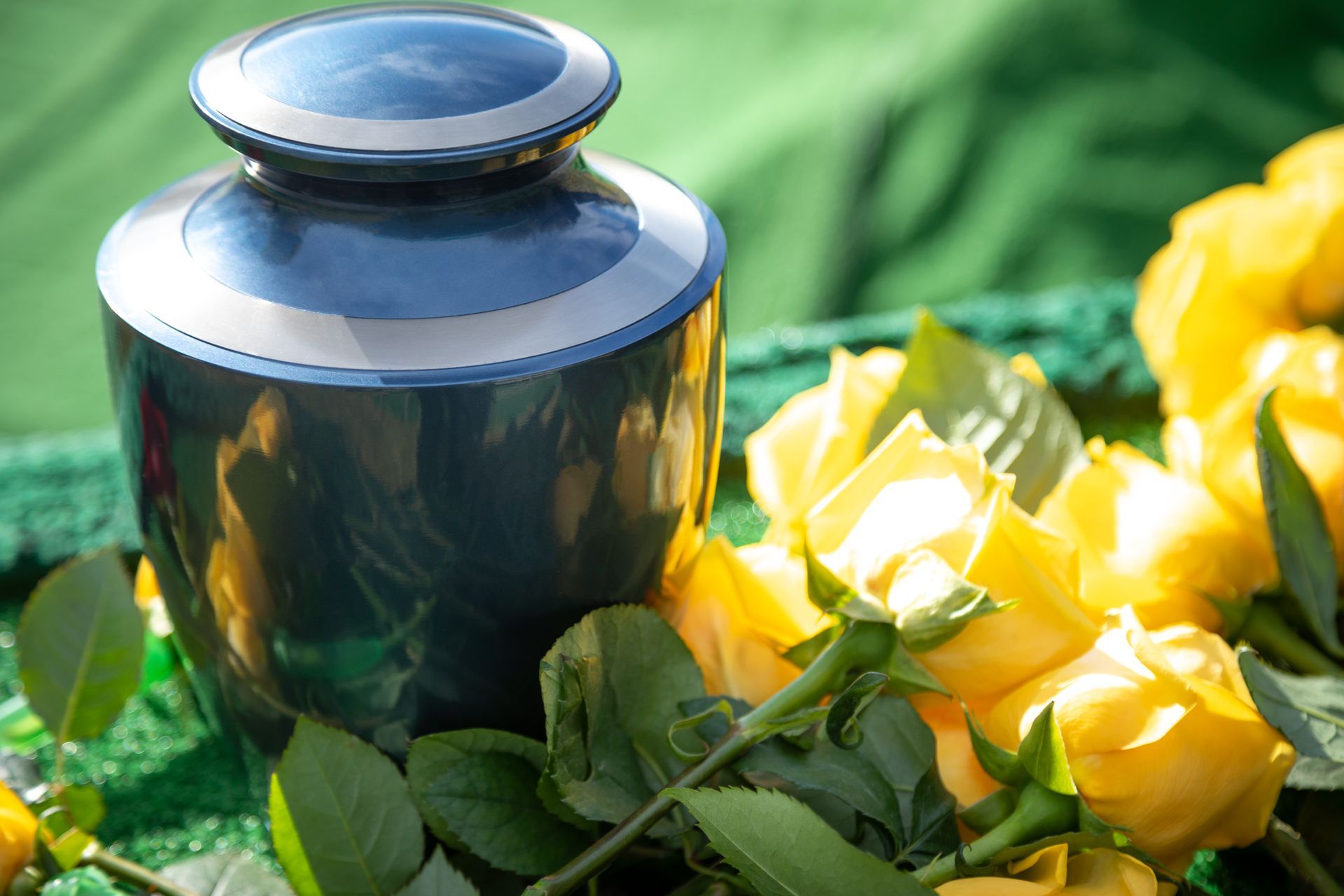
- Keeping the ashes in a decorative or personalized urn
- Scattering ashes in a location that held special meaning
- Burying the urn in a cemetery or memorial garden
- Creating memorial jewelry or keepsakes
- Holding a celebration of life that reflects the person’s passions and values
There is no “right” or “wrong” way—only what feels most appropriate for the family.
Addressing Common Myths About Cremation
Despite its growing acceptance, cremation is sometimes misunderstood. A few important clarifications:
- Cremation is accepted by many religions and cultures, though beliefs may vary.
- Families can still have viewings, funerals, and religious services.
- Choosing cremation does not mean choosing less respect or care.
Education and open conversation can help dispel these myths and provide peace of mind.
Making the Right Choice for You or Your Family
Choosing cremation is a personal decision that should reflect individual wishes, family traditions, and emotional needs. Taking time to discuss options, ask questions, and plan ahead can make a significant difference when the time comes.
Whether planned in advance or arranged after a loss, cremation offers a meaningful, flexible way to honor a life well lived.